Dentures Dracut
The Traditional Treatment For Tooth Loss
People have dealt with tooth loss for ages, and the problem persists today. Even now, about 178 million American adults are missing at least one tooth. The good news is that we have an equally enduring solution for one’s missing teeth: dentures in Dracut! These traditional prosthetics work quite well, continuing to restore and beautify patients’ smiles. Please keep reading to learn more about them, or book a consultation to see us in person.
Why Choose New England Smiles for Dentures?
- Dentist with Years of Experience
- High-Quality, Lifelike Materials
- Warm & Friendly Dental Team
Who’s a Good Candidate for Dentures?
An adult with missing teeth can almost always qualify for dentures. Plus, the degree of tooth loss doesn’t affect your candidacy; even patients without any teeth can get the prosthetics. You’ll still need to consult Dr. Patel before you commit to anything, though. She’ll confirm whether you’re a good treatment candidate, as well as suggest any preliminary care you need. For further details, please keep reading or call us.
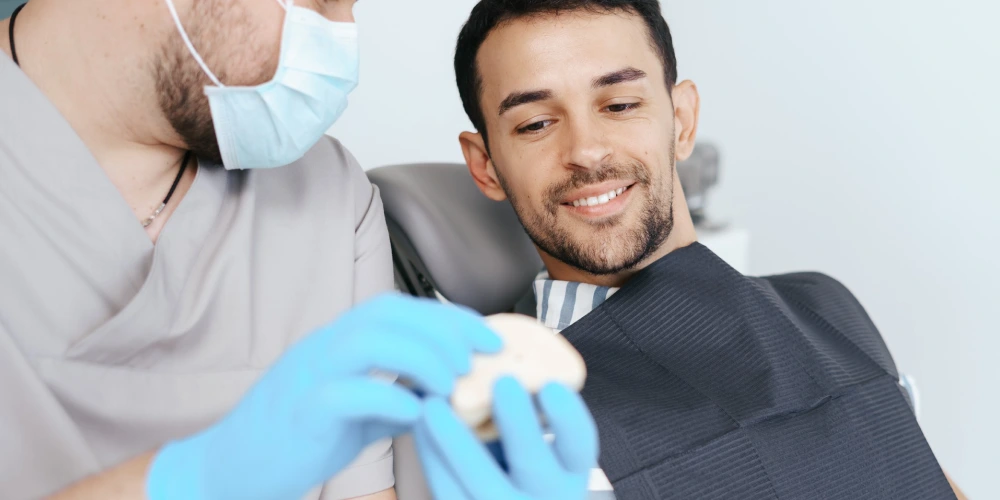
Effects of Missing Teeth
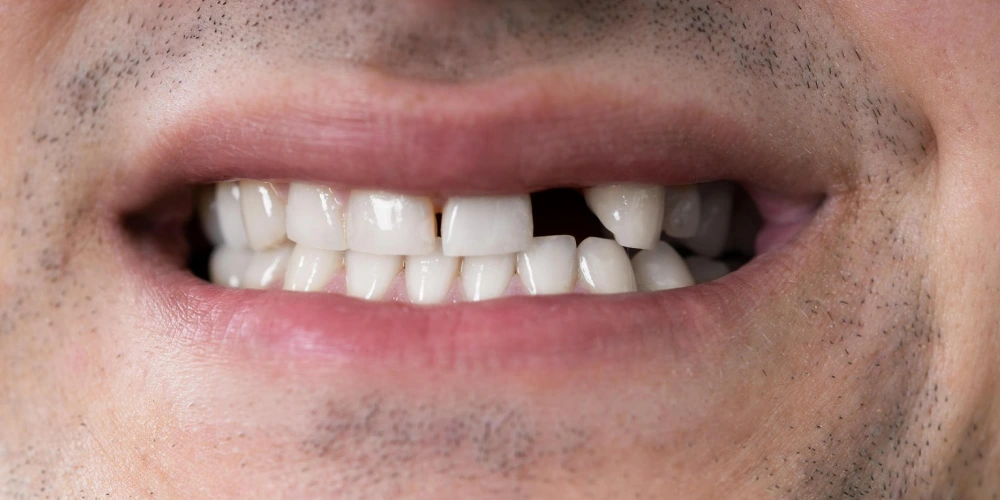
In contrast, tooth loss’ effects are narrow but consistent. Being without teeth almost always makes it hard to eat, speak, or smile very well. The condition also makes teeth tilt, erodes the jaw, and causes bacterial buildup.
What Qualifies You for Dentures?
Alternative Tooth-Replacement Options
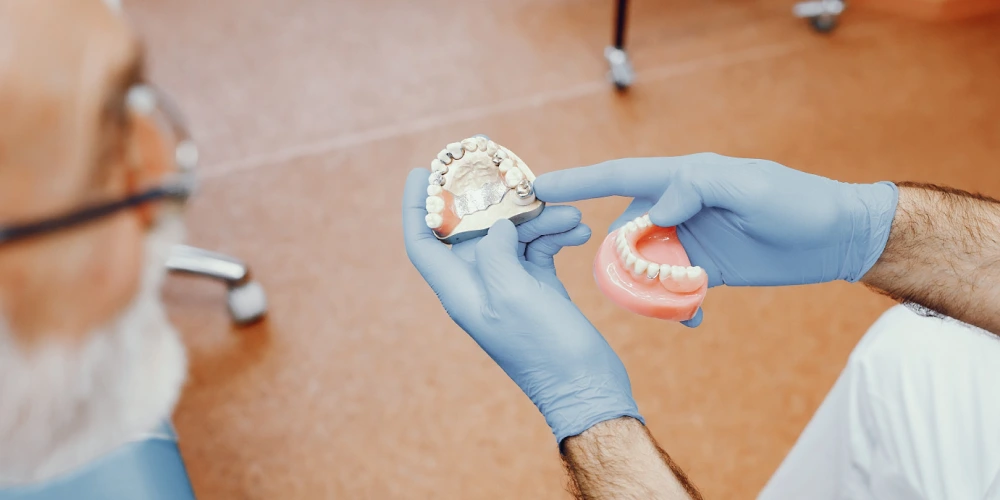
- Dental Bridges – Made of dental crowns fused to a pontic, a dental bridge is a fixed restoration that replaces one to four adjacent teeth. A dentist must thus alter nearby teeth to place it.
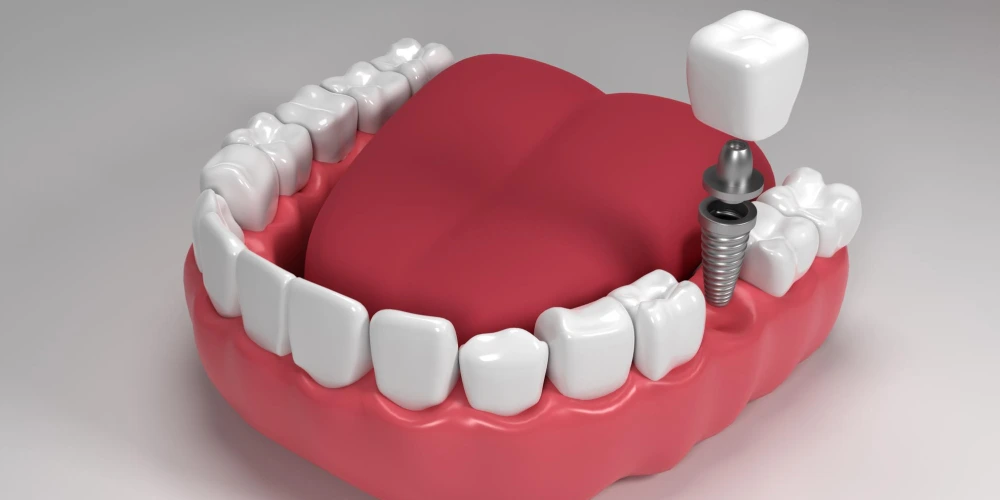
- Dental Implants – Dental implants don’t sit on the gums like dentures or dental bridges do. Instead, these small titanium posts are set in the jaw’s empty sockets. They then fuse with your jaw over time to become highly secure prosthetic teeth.
Types of Dentures
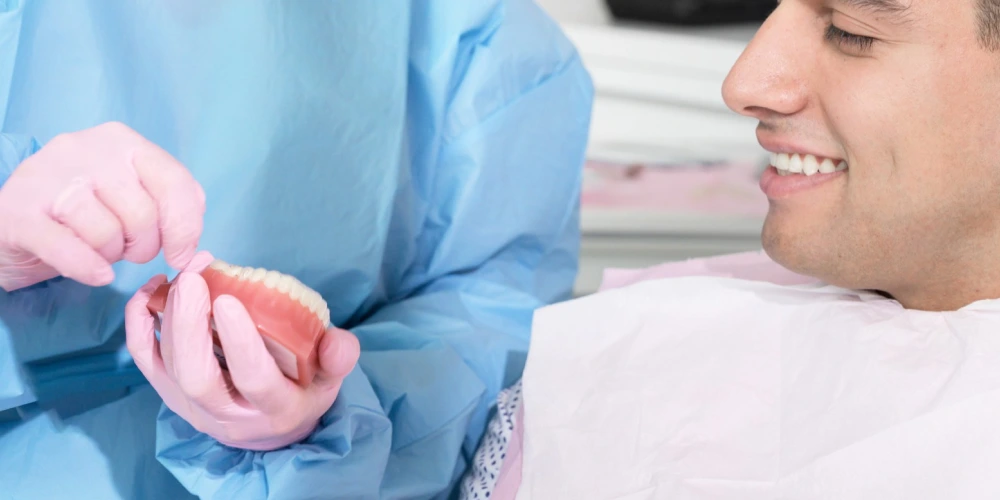
New England Smiles offers several kinds of dentures, and each one has distinctive traits. We’ll suggest one of the following types to you (if any) after your oral exam:
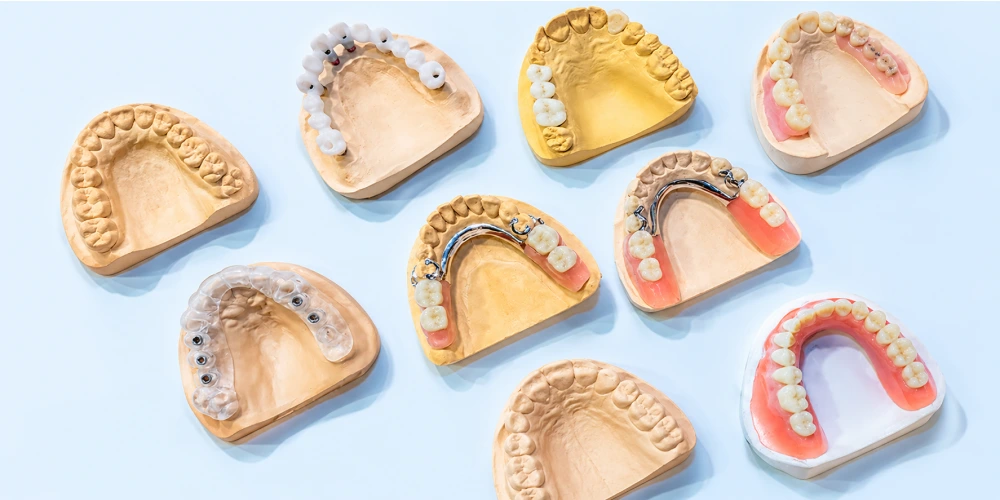
Partial Dentures
Full Dentures
Implant Dentures
How Dentures Are Made
Aside from how they work, you should also learn how dentures are made. Grasping the process that creates your prosthetics will help you see if the treatment suits you. That said, you’re in luck; your dentist in Dracut will gladly share the ins and outs of denture creation with you. We’ve provided the details on denture materials, their assembly, and more below. So, please keep reading for this information or call us to hear the facts over the phone.
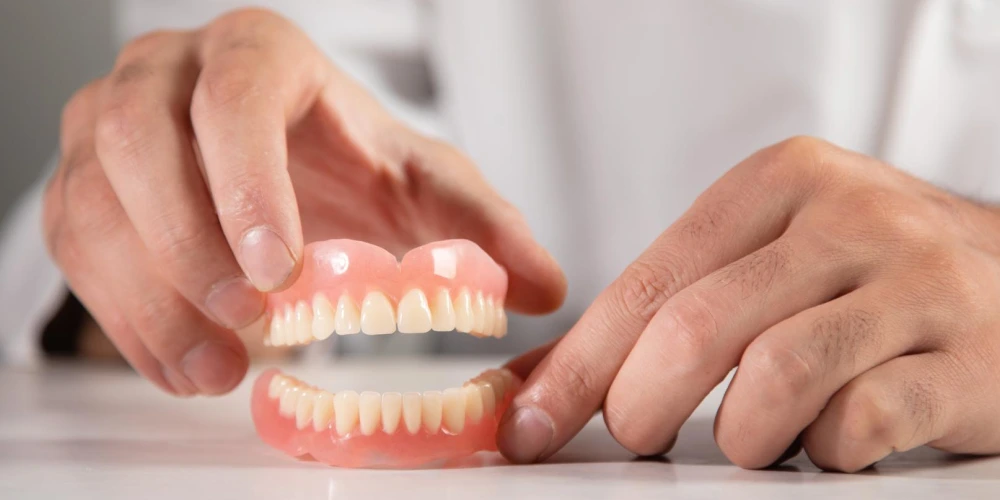
Step 1: Impressions
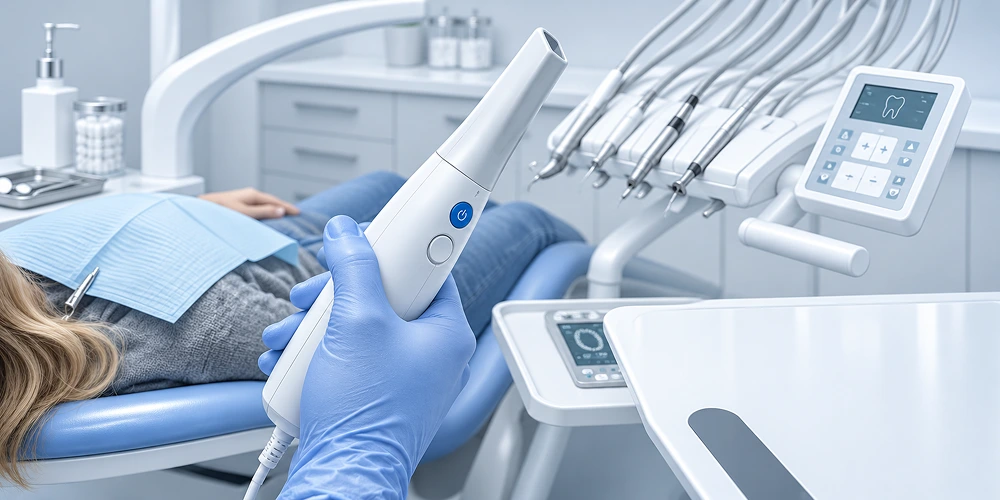
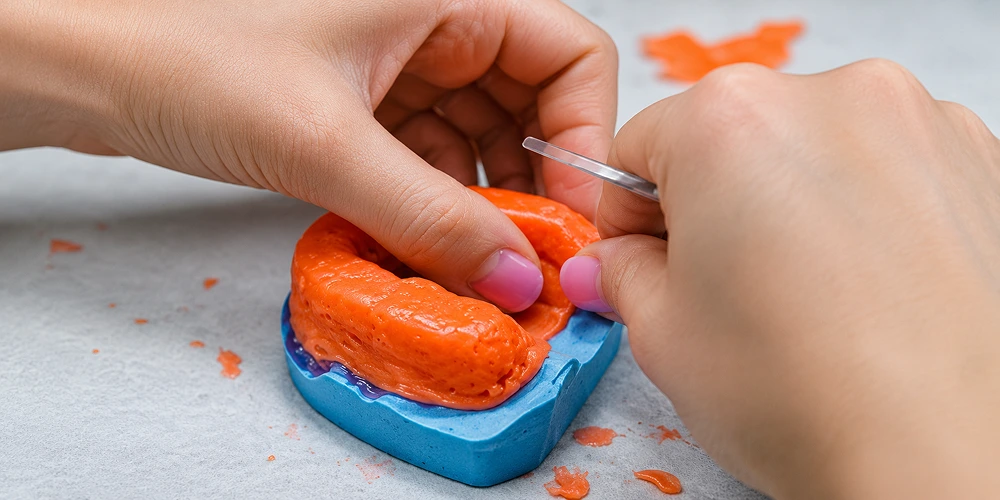
To start, Dr. Patel will take precise impressions of your mouth. Doing so lets her create a 3D model of your teeth and gums using either digital technology or special putty. (Which method she uses will depend on your needs and situation.) Once she’s formed the model, she’ll send it to a local dental lab for further analysis and refinement.
Step 2: Wax Mold Creation
Once we have the wax model, our team will have you try it to see if it looks and fits well. We’ll then send it back to the lab for further adjustments.
Step 3: Fit Check
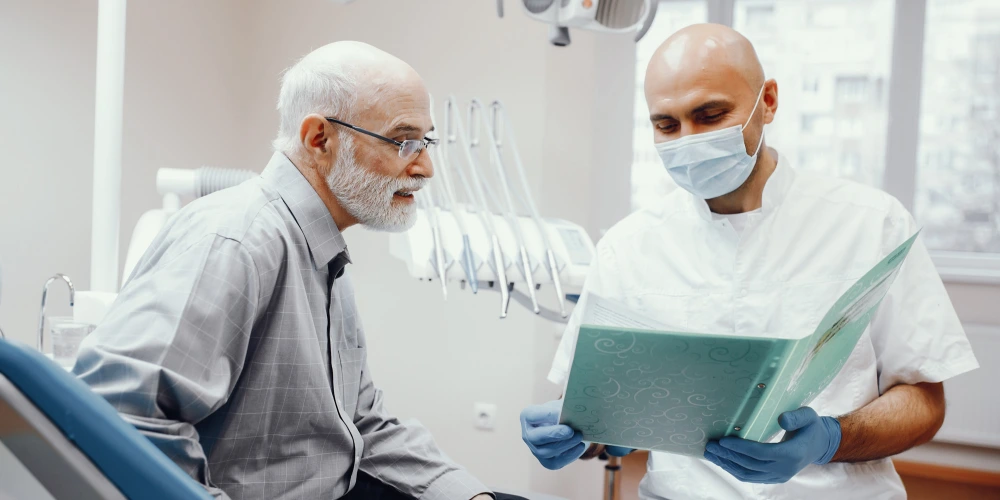
Patient feedback, or a “fit check,” is crucial to the creation work. After all, it lets the patient discern their restorations’ appearance, comfort, etc.
Step 4: Back to the Lab for Refinements
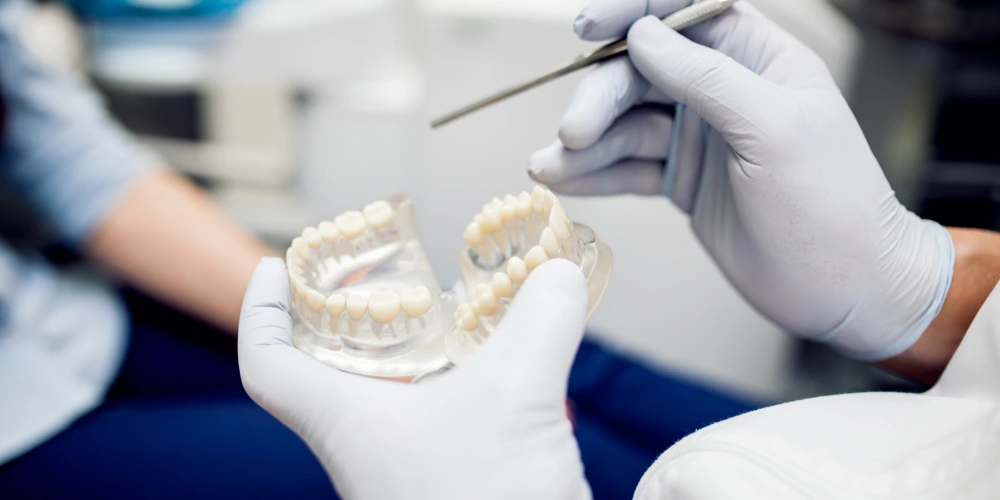
To keep things safe, the lab will polish, clean up, and remove plaster residue from your denture. They’ll then return the prosthetics to us.
Step 5: Take Them Home!
Note that it takes roughly 30 days to adjust to a new denture. During that time, your facial muscles will strengthen to support your prosthetics and allow for chewing and speaking. This process may involve some mild soreness and device slippage, but rest assured that these effects are temporary.
Benefits of Dentures
With dentures in Dracut, you’ll enjoy many benefits. From an improvement in your psychological health and clearer speech to better nutrition and expanded opportunities, you’ll reap the rewards of a complete smile.
Psychological Benefits
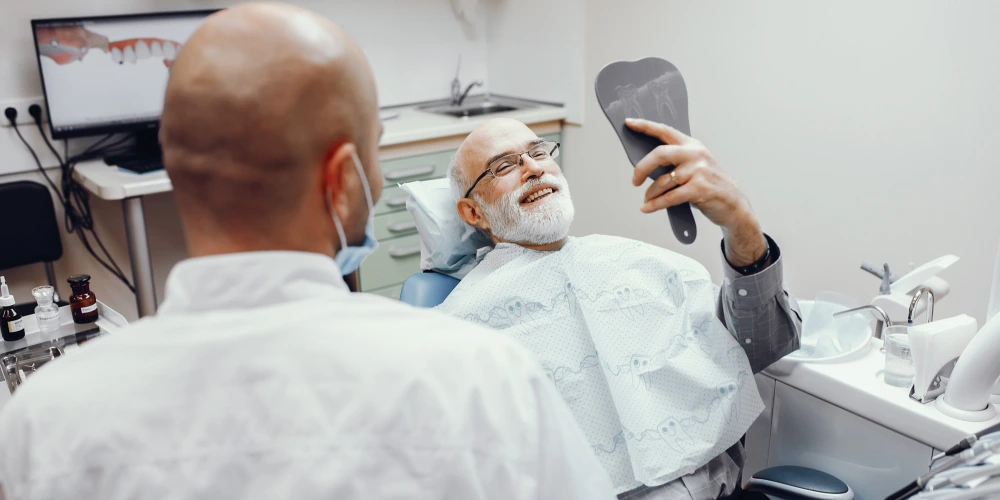
Dentures boost confidence by restoring your smile. You’ll appreciate how you look, which can positively affect your psychological health. No longer will you face depression or sadness because of your incomplete smile. With dentures, you’ll feel happier and begin to smile more often, which can release endorphins that reduce stress and lead to a more self-assured mood.

Clear Enunciation
Once you begin wearing dentures, you will no longer slur your words. While you can expect an adjustment phase, it is only temporary. With practice, you will begin to enunciate clearly, allowing you to converse with colleagues, family, and friends more confidently. If you need help to improve your speech, try reading aloud at home, practicing in front of a mirror, and swallowing before speaking to ensure your dentures are securely in place.

Improves Nutrition
Instead of resorting to softer options that often lack beneficial nutrients, dentures can indirectly support better nutrition.

Preserves Oral Health
A partial denture can reduce your risk of dental misalignment, as teeth tend to shift toward areas where gaps exist. By inserting a partial where teeth once existed, you not only see a complete smile but enjoy better oral health because your natural teeth remain in place. This lets you properly care for your natural and artificial teeth, helping you avoid potential misalignment and future orthodontics.

Expands Opportunity
Dentures can open doors to opportunities you may not realize. Whether it’s applying for a job, meeting someone new, or trying for a promotion at work, a full, healthy smile will increase your chances of a successful outcome. As the first thing people notice when meeting you, your new teeth will help you make a good first impression every time.

Understanding the Cost of Dentures
When configuring the cost of your dentures in Dracut, you will first meet with a member of our team to discuss the details of your treatment plan. These factors determine the overall cost of your new smile. If you are concerned about the out-of-pocket costs you will incur, our team will explain ways you can save and which payment methods make it easy to budget for treatment.

Factors That Affect the Cost of Dentures
- Do you require a full, partial, or implant denture?
- Are there preliminary services that you need to ensure your oral health is in the best possible shape?
- What kind of materials will be used to create your dentures?
Are Implant Dentures More Expensive?
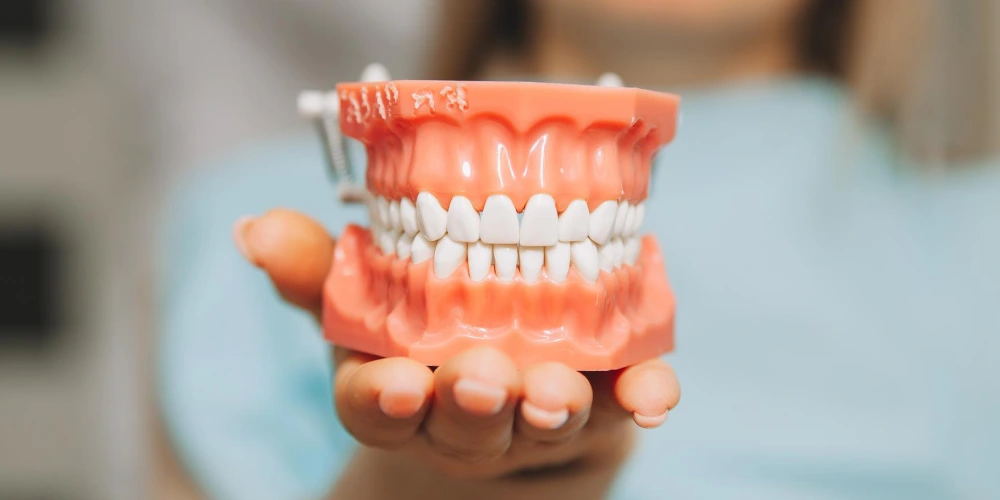
Many patients prefer traditional dentures over implant-retained dentures; however, if you choose a more permanent option to rebuild your smile, expect a higher upfront cost. Implant dentures don’t rest on the gums; instead, they sit within the jawbone for maximum support. As a result, you will pay more, but in the long run, they often prove to be more cost-effective.
Does Dental Insurance Cover Dentures?
Other Options for Making Dentures Affordable

Dentures Aftercare
Dentures are a lifechanging tooth replacement option for those who are missing most of or all of their teeth. They can restore the appearance and function on your smile. To keep them in excellent shape for as long as possible, it is important that you take all of the necessary steps to care for them. Here are some ways that you can keep your replacement teeth in beautiful shape.
Remove After Eating
After each meal, take out your dentures to rinse them off. This helps to prevent the buildup of food debris, plaque, and harmful bacteria. When you rinse your dentures, make sure the water isn’t too hot. High temperatures can warp the denture material making it no longer fit properly.

Clean Your Restoration
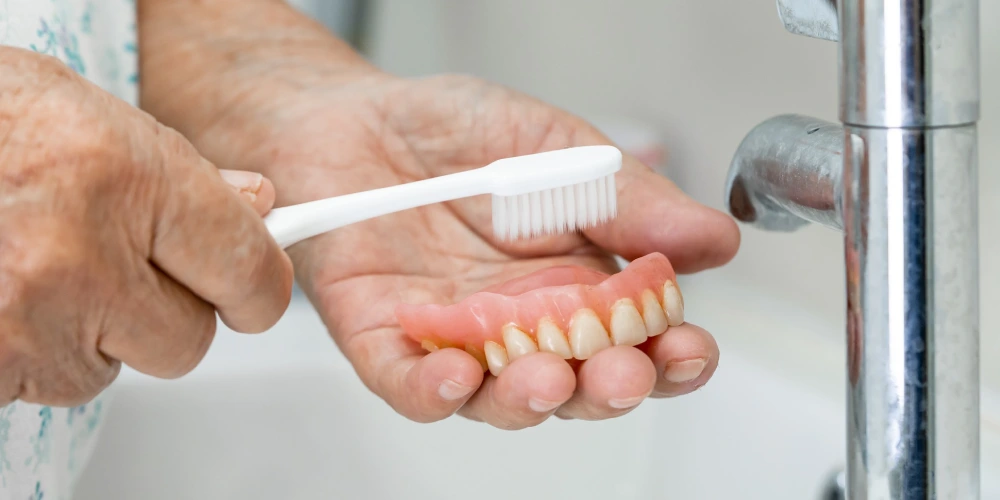
When it is time to clean your dentures, use a soft-bristled toothbrush and a small amount of unscented, clear hand soap, or denture cleanser to gently brush them. If you aren’t going to be wearing your dentures again right away, put them in a container of water or denture-cleansing solution so they don’t dry out and lose their shape. Remember to always rinse your dentures thoroughly before returning them to your mouth.
Keep Your Dentures Safe
When you clean your dentures, it is ideal to place a towel beneath them in case they slip out of your hands. This will reduce the likelihood of them becoming damaged. When you aren’t wearing your dentures, be sure to keep them in a location that isn’t accessible to pets and young kids.
Remove Dentures When You Sleep
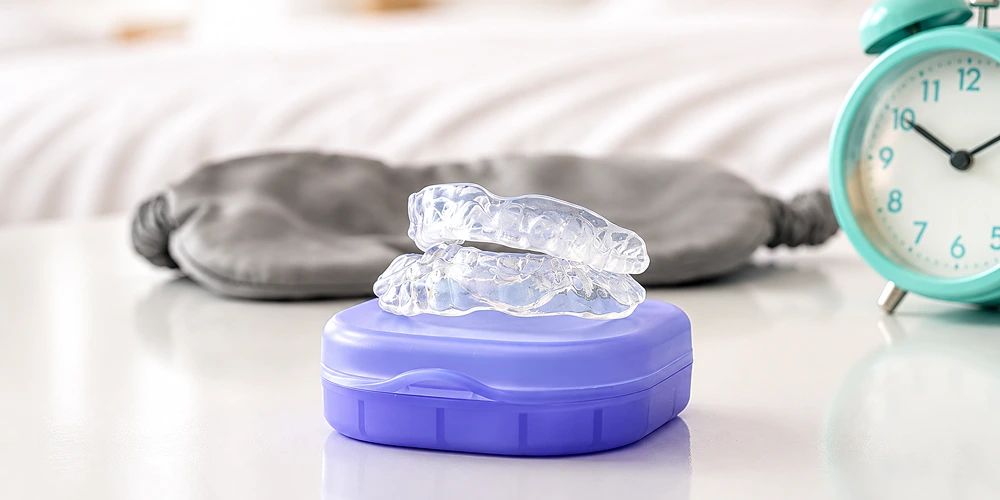
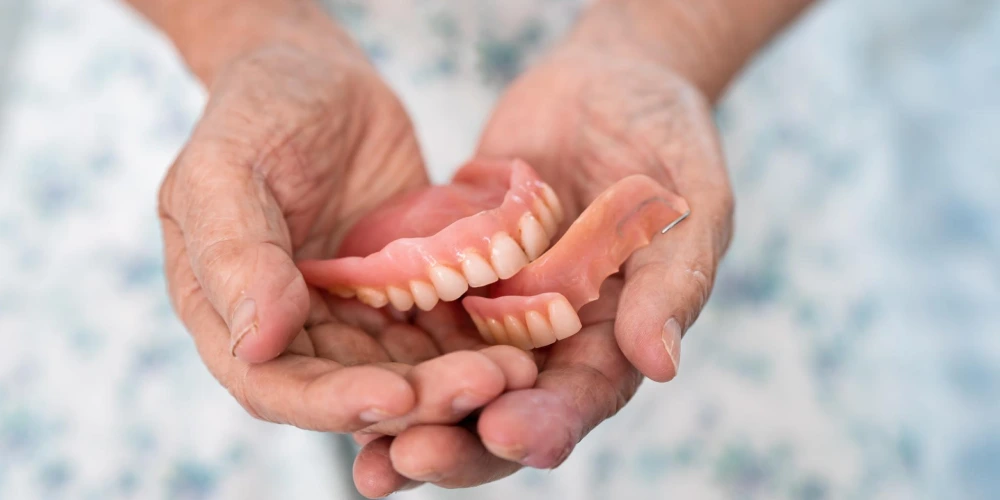
You should remove your dentures at night before you go to sleep. Wearing dentures restricts the blood circulation in your gum tissue, resulting in soft-tissue irritation. Sleeping with dentures has also been associated with a higher risk of pneumonia and higher levels of gum and tongue plaque. When you sleep, keep your dentures in a denture-soaking solution to keep them moist so they don’t lose their shape.

Notice Changes

Awards and Recognition